About
Why this started
I was born in Australia, to a Burgher family whose roots trace back to Dutch and Portuguese Ceylon.
For most of my life, “Sri Lankan” felt like a word other people wore more easily than I did. My Sinhalese and Tamil friends and family had a culture, a language, a set of traditions that were clearly, visibly theirs. Mine felt harder to place. I am Burgher — not Tamil, not Sinhalese — and the more I asked what that actually meant, the more I realised how little of our own family’s story had ever been written down.
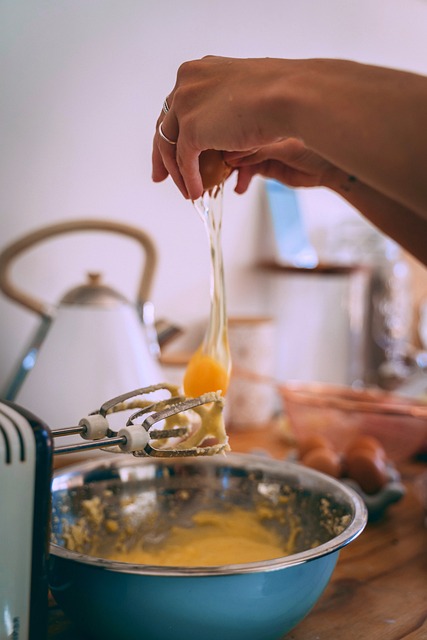
What I did know, I knew deeply. Lamprais on a Sunday. Love cake at Christmas. Family names that meant nothing outside our small community, and everything within it. A quiet pride in being part of something specific, even when I couldn’t always explain what that something was to people outside it.
It was watching my niece — Burgher on her mother’s side, Canadian on her father’s, growing up further from Sri Lanka than I ever did — take a real interest in where she comes from that made something click. This isn’t a culture that needs a large population to stay alive. It needs its stories told, on purpose, so they’re never forgotten.
My parents’ generation carries most of those stories. They lived the leaving, the arriving, the choosing of what to keep and what to let go of in a new country. None of it is written down. It exists in kitchens, in old photographs, in the particular way certain words still come out at Christmas.
Burgher, Burgher started as a way to ask, and to keep the answers.
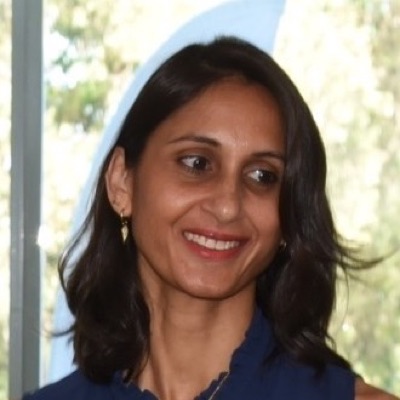
Brianna RagelFounder, Burgher, Burgher
What Burgher, Burgher is
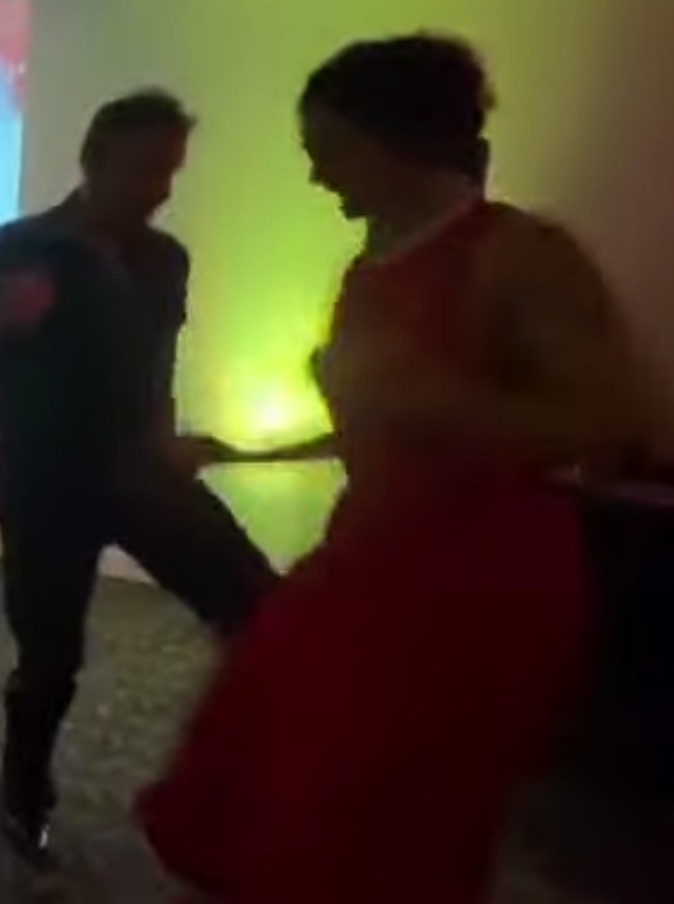
Sri Lankan Burgher culture, food and music, shared so more people can find it, feel part of it, and pass it on. There’s a song, a love cake worth baking, baila to dance and a Burgher table to sit down at — and a free one-hour introduction for anyone who has ever wondered, “what’s a Burgher?”
Come along
Start with the free hour, join a class, or just say hello.